Cleaning A Copper "Moonshine" Still
Quite a few folks have asked us how to keep the copper bright and shiny, so we decided to write this "how to" guide.
First things first, by "moonshine still" we mean "small copper still. We've chosen to use that language because small copper stills are often called "moonshine stills." That said, copper is not naturally shiny. Over time the metal develops a patina (dulls and turns more of a brownish color then black and bluish green) due to oxidation. For those that want the patina, just wait! For those that like to keep their still bright and shiny, read on. We'll present a few easy and inexpensive ways to keep a still looking brand new.
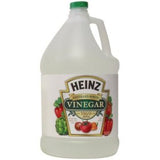
1. Vinegar, salt, and flour: Yes, that's right a few common kitchen ingredients and a bit of elbow grease will clean copper right up. Combine about a tablespoon of salt and a cup of vinegar and then add enough flour to make a paste. Apply the paste to a still and wait. Leave sit for 30 minutes, wash off, and repeat the process if needed. Of course, one will probably need to scale this recipe up for even the smallest still we make, but it's very inexpensive and works well.
2. Ketchup, lemon juice, cream of tartar: This is another common recipe that utilizes common kitchen ingredients. If one does not have the ingredients listed in the previous recipe, but they do have some ketchup, lemon juice, and cream of tartar they can use this recipe. However, this version of DIY household cleaner is not as effective as vinegar, salt, and flour.

3. Tarn-X: For the quickest results, consider purchasing an "industrial strength" metal cleaner / tarnish remover. Tarn-x works well and can be purchased at Lowe's or Home Depot. It is also fairly inexpensive. Be warned though, this stuff is quite a bit stronger than vinegar and salt, therefore proper protection is required. Wear gloves and goggles. Also, this stuff really smells awful. I literally wear a voc mask when using it, which actually blocks the smell completely.
Regardless of the cleaner used, remember to rinse a still thoroughly after cleaning. Any residual acids left on the still will cause it to discolor. Also, remember that nature will always win and a still will discolor over time. The best way to prevent natural patina is to apply a sealant just after thoroughly cleaning and polishing a still.
Hopefully this was helpful information for those that want to keep their stills bright and shiny. Also, consider the alternative: do nothing and let the still develop a natural patina. In my opinion, the natural route is best. Stills with patina look cool and require no work to maintain!
A reminder: Distilling alcohol is illegal without a federal fuel alcohol or distilled spirit plant permit as well as relevant state permits. Our distillation equipment is designed for legal uses only and the information in this article is for educational purposes only. Please read our complete legal summary for more information on the legalities of distillation.


Leave a comment